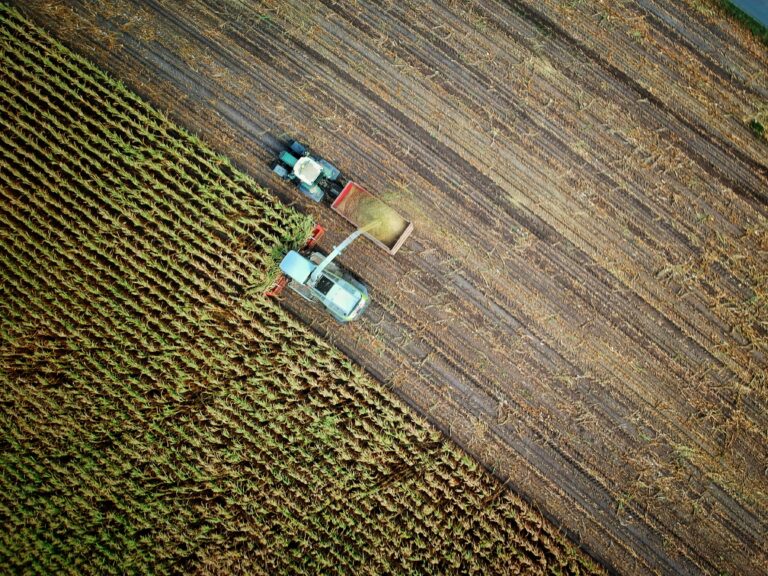
Sustainable Agriculture
Sustainable farming is no longer just a niche movement—it has become one of the most important solutions for addressing climate change, food security, soil degradation, and biodiversity loss. Around the world, farmers, scientists, and environmental organizations are embracing regenerative and sustainable agricultural methods that protect natural ecosystems while still producing healthy food for growing populations.
Modern industrial farming has increased food production over the past century, but it has also contributed to major environmental problems. Excessive use of synthetic fertilizers, monocropping, overgrazing, and heavy tillage have damaged soil health, polluted waterways, and reduced biodiversity. Sustainable farming offers a practical path forward by focusing on long-term environmental balance, economic resilience, and healthier communities.
What Is Sustainable Farming?
Sustainable farming refers to agricultural practices designed to meet current food needs without compromising future generations’ ability to produce food. It combines environmental stewardship, economic viability, and social responsibility.
According to Syngenta Group, regenerative agriculture is an outcome-based farming system that restores soil health, protects biodiversity, conserves water resources, and improves productivity. These methods aim to reduce environmental harm while helping farmers maintain profitable and resilient operations. (Syngenta Group)
Rather than maximizing short-term yields at any cost, sustainable agriculture focuses on preserving natural resources and creating farming systems that can endure climate challenges, market fluctuations, and ecological pressures.
Some of the key goals of sustainable farming include:
- Improving soil fertility naturally
- Conserving water resources
- Reducing chemical dependence
- Protecting biodiversity
- Lowering greenhouse gas emissions
- Supporting farmer livelihoods
- Producing nutritious food sustainably
Organizations like Chesapeake Bay Foundation emphasize that regenerative agriculture works in harmony with nature while improving economic viability for farmers. (Chesapeake Bay Foundation)
Why Sustainable Farming Matters
Agriculture is deeply connected to environmental health. Traditional farming systems often rely heavily on chemical fertilizers, pesticides, and large-scale land clearing. While these practices can increase short-term productivity, they may also lead to soil erosion, water contamination, and declining biodiversity.
Sustainable farming helps address several global challenges simultaneously.
1. Soil Health Restoration
Healthy soil is the foundation of productive agriculture. Sustainable farming practices such as crop rotation, composting, cover cropping, and reduced tillage improve soil structure and fertility over time.
Research highlighted by The Institute for Environmental Research and Education notes that regenerative practices improve water infiltration, nutrient cycling, drought resilience, and long-term productivity. (Institute for Environmental Research)
Farmers practicing regenerative agriculture often report increased organic matter in soil, which improves water retention and reduces erosion. Soil rich in organic material can also absorb and store more carbon dioxide, helping combat climate change.
2. Protects Water Resources
Sustainable farming helps reduce water pollution caused by synthetic fertilizers, pesticides, and agricultural runoff. Practices such as drip irrigation, cover cropping, and organic soil management improve water conservation and reduce contamination of rivers, lakes, and groundwater.
Healthy soils also retain more moisture naturally, helping farms remain productive during droughts and reducing the need for excessive irrigation.
Learn more from United Nations Food and Agriculture Organization.
3. Supports Biodiversity
Modern industrial agriculture often relies on monocropping, which can harm ecosystems and reduce wildlife populations. Sustainable farming encourages biodiversity through crop rotation, agroforestry, pollinator habitats, and integrated farming systems.
These methods support beneficial insects, birds, microorganisms, and native plants that contribute to healthier ecosystems and more resilient food production systems.
More information is available at World Wildlife Fund.
4. Reduces Climate Change Impact
Agriculture is both affected by and contributes to climate change. Sustainable farming practices such as reduced tillage, rotational grazing, composting, and agroforestry can help lower greenhouse gas emissions and increase carbon storage in soil.
Regenerative farming systems also improve resilience against extreme weather events like floods, droughts, and heatwaves.
You can explore climate-focused farming strategies through Project Drawdown.
5. Improves Food Security and Farmer Livelihoods
Sustainable agriculture helps farmers maintain long-term productivity by preserving soil fertility, reducing dependency on expensive chemical inputs, and diversifying crops and income sources.
More resilient farming systems can better withstand economic and environmental challenges, helping communities maintain stable food supplies and stronger rural economies.
Additional insights can be found at The Rodale Institute.
Core Principles of Sustainable Farming
Many sustainable farming systems are built around several core principles.
Minimize Soil Disturbance
Traditional plowing can damage soil structure and reduce microbial activity. Sustainable farmers often use reduced tillage or no-till methods to preserve soil integrity.
According to Syngenta Sustainable Agriculture, minimizing soil disturbance helps reduce erosion and improves the soil’s ability to retain moisture. (Syngenta)
Keep Soil Covered
Bare soil is vulnerable to erosion and nutrient loss. Cover crops and mulch help protect soil from wind and rain while adding organic matter.
The Chesapeake Bay Foundation Regenerative Agriculture Guide explains that maintaining vegetation cover supports water retention, suppresses weeds, and enhances soil biology. (Chesapeake Bay Foundation)
Increase Biodiversity
Monoculture farming can weaken ecosystems and increase vulnerability to pests and disease. Sustainable farms often use crop rotation, intercropping, agroforestry, and integrated livestock systems to increase biodiversity.
A diverse farm ecosystem attracts beneficial insects, improves pollination, and reduces reliance on synthetic pesticides.
Optimize Water Use
Water conservation is becoming increasingly important as droughts and climate variability intensify. Sustainable farming techniques such as drip irrigation, mulching, rainwater harvesting, and healthy soil management improve water efficiency.
Healthy soil can hold more water naturally, reducing irrigation needs and improving drought resilience.
Regenerative Agriculture and Climate Change
One of the most discussed benefits of sustainable farming is its potential role in climate change mitigation.
Agriculture contributes significantly to greenhouse gas emissions through fertilizer use, livestock production, and land-use changes. However, regenerative practices can help reverse some of this impact.
Research published through arXiv.org suggests that carbon farming and regenerative practices may increase soil carbon sequestration while improving soil health and farmer resilience. (arXiv)
Practices such as:
- Cover cropping
- Compost application
- Agroforestry
- Rotational grazing
- Reduced tillage
can all help store atmospheric carbon in the soil.
While experts continue debating the exact scale of climate benefits, there is broad agreement that healthier soils and diversified farming systems improve resilience to extreme weather events.
Recent reporting by Reuters highlights growing global investment in regenerative agriculture programs by major food companies seeking to scale sustainable farming initiatives. (Reuters)
Economic Benefits for Farmers
Sustainable farming is often viewed only as an environmental movement, but economic sustainability is equally important.
Many regenerative farmers reduce long-term costs by decreasing dependence on synthetic fertilizers, pesticides, and fuel-intensive tillage operations.
Discussions within the online farming community on Reddit frequently highlight how diversified systems improve resilience and lower operational costs over time. (Reddit)
Long-term studies summarized in academic research indicate that agricultural diversification can increase profitability, biodiversity, and ecosystem services over decades. (arXiv)
Although transitioning to regenerative systems may involve upfront costs and learning curves, many farmers report improved resilience during droughts, lower input expenses, and more stable yields in the long run.
The Role of Technology in Sustainable Farming
Modern sustainable farming is increasingly supported by technology.
Precision agriculture tools now help farmers:
- Monitor soil health
- Optimize irrigation
- Reduce fertilizer use
- Track carbon levels
- Improve crop management
Emerging AI-driven systems are helping farmers analyze soil carbon data and climate conditions to make better management decisions.
Research on AI-powered “soil carbon copilots” demonstrates how digital technologies can support sustainable agricultural transitions. (arXiv)
Technology alone cannot solve agricultural sustainability challenges, but it can improve efficiency and reduce waste when combined with regenerative principles.
Common Sustainable Farming Practices
Crop Rotation
Rotating crops prevents nutrient depletion and disrupts pest cycles naturally. Different crops contribute different nutrients to the soil, reducing the need for synthetic fertilizers.
Cover Cropping
Cover crops protect and enrich soil between harvest seasons. They suppress weeds, improve soil structure, and increase organic matter.
Composting
Organic compost returns nutrients to the soil naturally while reducing agricultural waste.
Agroforestry
Combining trees with crops or livestock enhances biodiversity, improves water retention, and creates additional income streams for farmers.
Rotational Grazing
Moving livestock strategically across grazing areas prevents overgrazing and improves pasture health.
Integrated Pest Management
Rather than relying heavily on pesticides, sustainable farms use biological controls, crop diversity, and ecological methods to manage pests.
Challenges Facing Sustainable Farming
Despite its advantages, sustainable farming still faces several barriers.
Transition Costs
Switching from conventional agriculture to regenerative systems often requires new equipment, training, and temporary adjustments in production.
Lack of Standardization
One challenge frequently discussed in the agricultural sector is the lack of universal definitions for regenerative agriculture.
Reporting from The Guardian notes that while regenerative farming is gaining popularity, experts and organizations sometimes disagree on what practices qualify as regenerative. (The Guardian)
Knowledge Gaps
Research into sustainable farming adoption has found that inadequate knowledge and implementation challenges can discourage farmers from transitioning to sustainable systems. (arXiv)
Market Pressure
Farmers often operate within economic systems that reward short-term productivity rather than long-term ecological health. Sustainable transitions may require policy support, financial incentives, and stronger consumer demand for responsibly produced food.
Consumer Demand and Sustainable Food Systems
Consumers are playing an increasingly important role in supporting sustainable agriculture.
Demand for:
- Organic products
- Locally sourced food
- Regeneratively grown produce
- Ethical livestock systems
continues to grow globally.
Businesses across food, beauty, and fashion industries are also exploring regenerative sourcing methods to improve sustainability credentials.
An article from Allure Magazine discusses how regenerative farming is influencing beauty brands seeking more sustainable botanical ingredients. (Allure)
Consumers can support sustainable farming by:
- Buying from local farmers
- Choosing seasonal produce
- Supporting regenerative brands
- Reducing food waste
- Learning about food sourcing
The Future of Sustainable Agriculture
The future of farming will likely require a balance between productivity, environmental protection, and economic resilience.
Climate change, population growth, and resource scarcity are placing enormous pressure on global food systems. Sustainable agriculture offers a practical framework for producing food while restoring ecosystems and protecting natural resources.
Recent initiatives by global agricultural organizations and food companies demonstrate growing recognition that sustainability must become central to modern farming systems. (Reuters)
Experts increasingly agree that no single farming method will solve every agricultural challenge. Sustainable agriculture must remain adaptable, region-specific, and science-driven.
Final Thoughts
Sustainable farming is more than an environmental trend—it represents a long-term investment in healthier ecosystems, resilient food systems, and stronger farming communities.
By improving soil health, conserving water, reducing chemical dependence, and increasing biodiversity, regenerative agriculture creates opportunities for farmers and consumers alike. While challenges remain, ongoing research, technological innovation, and growing public awareness are helping accelerate the transition toward more sustainable agricultural systems.
As global interest in regenerative agriculture continues to expand, sustainable farming may become one of the most important tools for addressing climate change, food security, and environmental restoration in the decades ahead.
For more information about sustainable agriculture and regenerative farming practices, visit:
Syngenta Group Sustainable Agriculture